
While many think that climate change is a near future threat, for our Fairtrade-organic cotton farmers in the Bhawanipatna and Gollamunda blocks of the State of Odisha, India, this is now an annual cotton harvest reality. The October 2025 to January 2026 cotton harvest was especially punishing:
- Heavy Cyclonic Rains: Unpredictable cyclones saturated the soil, damaging the crop during critical planting and growing stages.
- Some Yields Cut in Half: Farmers who normally expect up to 7 quintals per acre saw maximums of only 4 to 5. Some even reported a 50% reduction in yields overall.
- The Struggle with ‘Quality’: The first picking of cotton in October/November was poor due to the heavy
Climate change is not just an environmental issue; it is an economic and human one as well.
With lower yields come rising financial pressures. Conventional and Fairtrade farmers alike still have to cover the same costs – seeds, labour, land, while earning significantly less. This often leads to debt, reliance on middlemen and crisis for the conventional farmers. For the Fairtrade farmers, they have the safety net of being able to market their cotton collectively at fair prices, and this can make all the difference at such testing times.
All farmers in India are not only facing climate change but also navigating a complex pricing system. Government set prices, fluctuating global markets and trading rates fail to reflect the true cost of sustainable farming, especially in a difficult climate year. Without support, individual farmers are left extremely vulnerable.
No magic wand
During a visit towards the end of 2025, Andy of Koolskools-SUstainable met many of the Chetna Organic Fairtrade cooperative farmer groups, who were understandably worried about prices for their rain-affected crops. Our Fairtrade-organic cotton sourcing and manufacturing policy means that the farmers receive at least the Fairtrade Minimum Price for what they well to us. Andy was able to explain to several farmers’ groups during his recent visit that we have been sourcing steadily increasing amounts of Indian Fairtrade-organic cotton for the past 15 years, and to reassure them that we would continue to offer practical support in this way. Andy also told the farmers that we would continue to highlight and speak up for their plight, both with our UK customers and stakeholders and internationally.
During the November-December ’25 visit, Andy visited over 20 cotton farming villages/communities in Odisha, and was reminded of how the Fairtrade Premium provides tools for survival and development:


- Warehouses: Premium funds have been used to build warehouses to store cotton, thus alleviating the need for farmers to store their cotton in their homes. Outside of harvest time, they double as vital village social and organic farming training hubs.
- Non-GMO Seeds: Fairtrade helps farmers have access to non-GMO seeds, which are hard to find in open markets.
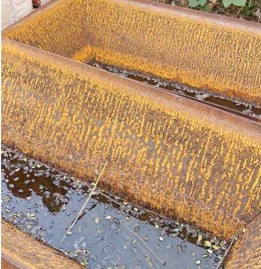
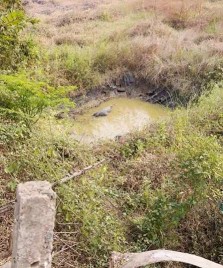
- Infrastructure for extreme situations: Compost units for soil enrichments and soak pits to divert excess rainwater to enrich the water table.
With Chetna Organic support, our Fairtrade-organic cotton farmers are adopting impressive and impactful climate resilient practices:
-
- Production of Biochar: Farmers are converting used cotton plants into charcoal (biochar). This not only improves soil health but provides a fuel source so farmers do not have to cut trees for firewood.
- Tree nurseries: A project led by 47 women is focused on reforestation and biodiversity, supported by Fairtrade partners in Netherlands and Germany.
- Clean energy: Chetna has purchased 800 electric stoves for farmers to further reduce reliance on firewood.
Despite a difficult year, there is a strong sense of resilience among farming communities. “lntercropping”, for example, where the farmers grow their own food such as lentils, okra, soybean and so on, provides them with an important degree of food security if, like last year, the

cotton harvest is badly affected by climate change.
Farmers are adapting, cooperatives are evolving and support is growing. But we need to keep ensuring that the farmers’ voices are heard and it requires constant, long-term commitment from across the supply chain.
We are proud to be closely connected to the people that grow our cotton and make our clothes. What we wear is shaped by labour, trade systems and also climate, and at Koolskools-SUstainable we will maintain our commitment to sourcing Fairtrade organic cotton.
Whilst we cannot control the weather, we can all choose how we respond. Climate change is real, and we had first-hand exposure to the impact on vulnerable farmers of it during India’s 2025-26 rain-affected cotton harvest.

Responsible supply chains, not least Fairtrade ones, can help farmers to mitigate the effects of climate change. Together with the vital support of our customers and stakeholders, we can help shape a more sustainable future.